
Leading Foundation Repair Products For Professional Contractors
Equip your projects with top-quality products designed for expert foundation repair and structural restoration.
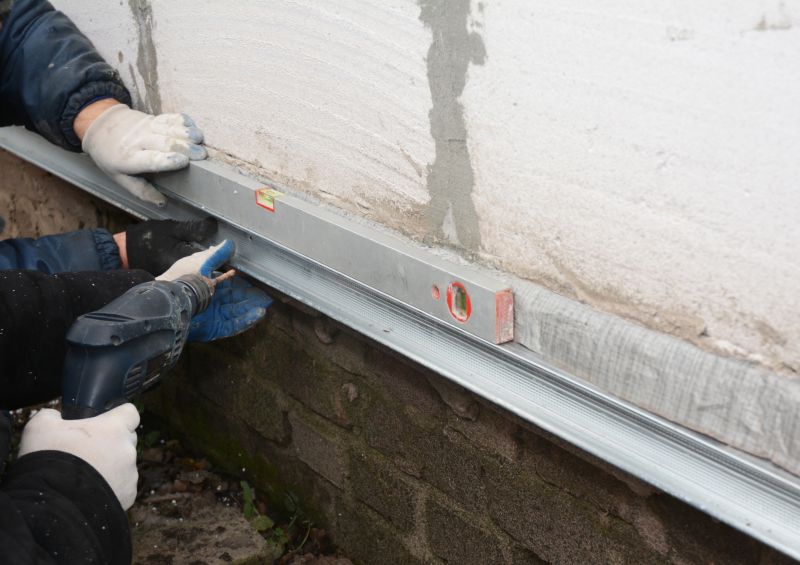 Foundation repairs are a critical aspect of maintaining the integrity and safety of a building. When issues such as cracking, settling, or shifting are observed, selecting the right products can help address these concerns effectively. A variety of solutions exist, ranging from structural supports to stabilization systems, each suited to different types of foundation problems. Understanding the specific needs of your property is essential before choosing the appropriate repair products.
Top Overall Option
Heavy-Duty Underpinning System
A heavy-duty underpinning system provides a versatile solution for stabilizing and supporting various foundation types. Designed for durability and strength, these systems can accommodate different load requirements and ground conditions. They are often used in conjunction with other repair methods to ensure comprehensive support. Proper installation by experienced professionals can help achieve effective and lasting results.
Types of Products For Foundation Repairs
Helical Piers
Helical piers are screw-like supports that can be installed into the ground to stabilize and lift foundations. They are suitable for various soil conditions and can be used in both residential and commercial projects.
Push Piers
Push piers are driven into the ground beneath the foundation to provide support and prevent further settling. They are often used for settling or sinking foundations.
Slab Jacking
Slab jacking involves injecting grout beneath a concrete slab to lift and stabilize it. This method is effective for minor to moderate unevenness in slabs.
Underpinning Systems
Underpinning systems reinforce and stabilize existing foundations by extending support deeper into the ground, often used for settling or shifting foundations.
Mudjacking
Mudjacking involves pumping a slurry mixture beneath concrete slabs to lift and level them, suitable for minor foundation unevenness.
Carbon Fiber Reinforcements
Carbon fiber strips are applied to concrete surfaces to reinforce and prevent further cracking, often used for minor repairs.
Anchors and Braces
Anchors and braces are used to stabilize bowing or leaning walls, providing lateral support to prevent collapse.
Soil Stabilizers
Soil stabilizers improve ground conditions around the foundation to reduce shifting and settling caused by soil movement.
Grout and Sealants
Grouts and sealants fill cracks and gaps to prevent water intrusion and further deterioration of the foundation.
Vapor Barriers
Vapor barriers are installed to control moisture levels around the foundation, reducing soil expansion and contraction issues.
Drainage Systems
Proper drainage systems help divert water away from the foundation, minimizing water-related damage and soil erosion.
Popular Choices
Helical piers are frequently used for foundation stabilization due to their adaptability across soil types and ease of installation.
Push piers are a common choice for addressing foundation settlement, offering reliable support under various conditions.
Slab jacking remains a popular method for leveling uneven concrete slabs efficiently.
Carbon fiber strips are increasingly used for minor crack repairs due to their strength and ease of application.
Wall anchors are often selected for stabilizing bowing or leaning basement walls, preventing further damage.
Soil stabilizers are trending for their role in improving ground conditions around foundations.
Effective drainage systems are essential and widely used to manage water flow and protect foundations.
Sealants are commonly applied to cracks to prevent water intrusion and further deterioration.
Vapor barriers are frequently installed to control moisture levels beneath slabs and around foundations.
Underpinning piles are a trending solution for deep support needs in shifting ground conditions.
Many foundation repair products are designed to reinforce or lift the existing structure, helping to prevent further damage. These products often include helical piers, push piers, slab jacks, and underpinning systems. Proper installation and compatibility with your foundation type are crucial factors to consider. Additionally, the longevity and load-bearing capacity of these products can influence their suitability for your repair project.
In Manitowoc, WI, where seasonal changes can cause ground movement, selecting durable and adaptable products is particularly important. Whether addressing minor cracks or significant settlement issues, the right foundation repair products can provide stability and peace of mind. Consulting with experienced professionals can help determine the most appropriate solutions tailored to local soil conditions and building requirements.
Investing in quality foundation repair products can contribute to the long-term safety and stability of your property. While DIY options exist, professional guidance often ensures proper application and optimal results. Remember, foundation repair is a specialized field, and using the correct products is vital to achieving a secure and lasting fix.
Key Buying Considerations
- Assess the specific foundation issue, such as cracking, settling, or bowing, to select suitable products.
- Understand the soil and ground conditions at your site to determine the appropriate support systems.
- Consider the load-bearing capacity required for your structure to ensure stability.
- Evaluate the compatibility of repair products with your foundation type (concrete, pier, slab, etc.).
- Review installation requirements and whether professional assistance is recommended or necessary.
- Check the durability and resistance of materials to local environmental factors, such as moisture or temperature fluctuations.
- Determine the extent of the repair needed to choose between minor fixes and more extensive solutions.
- Consider the longevity of the product and its ability to provide long-term support.
- Review warranty and service options offered by manufacturers or suppliers.
- Factor in budget constraints while balancing quality and effectiveness of the repair products.
- Look for products that allow for future adjustments or repairs if needed.
- Ensure that the products comply with local building codes and regulations.
- Evaluate the ease of installation and whether specialized tools or skills are required.
- Investigate customer reviews and professional recommendations for insights into product performance.
- Consider the availability of replacement parts or supplementary products for ongoing maintenance.